AI Search Blog
How to Format Your Content Like the Pros
I’ve noticed some commonalities amongst some of the top sites that I write for from time to time.
(I’m talking about the Copyhackers, SumoMe, and Kissmetrics-type blogs.)
Know what it is?
I’ve noticed some commonalities amongst some of the top sites that I write for from time to time.
(I’m talking about the Copyhackers, SumoMe, and Kissmetrics-type blogs.)
Know what it is?
They all format their content in similar ways.
And probably for good reason: It works.
So by looking at the formulas these sites use for structuring content, I’ve condensed some of the must-use formatting tips for home run content into a few easy pointers that you can implement for your own writing right away.
Here’s what you need to know.
Lead with a Compelling, Conversational Intro
One of the hallmarks of the top sites I write for is that they’re known for having interesting intros with a conversational tone that naturally lure the reader in.
This usually means the intro is a little snarky, it poses an important question (that it will later answer), and it lures the reader in through what reads as a very natural speaking voice.
Example: Your Page As A Mirror, Or The Reason People Buy Blocks Of Cheese Product
So, when you want to write an intro like Copyhackers or SumoMe, remember to do the following:
Start with single sentences separated by spaces, not long paragraphs
Incorporate some humor (gifs and memes work well)
Build curiosity with a question or by previewing a “how-to”
Write in a conversational tone and ditch the technical lingo
Make the Middle Meaty
Next, you’ll want to build out a meaty mid-section like these sites do.
This typically entails some intense research and example-hunting, so be prepared to invest some time here. I often spend 4-8 hours per article building out the bulk of the post for these sites.
Example: 9 Essential Ways to Use Scarcity to Increase Sales
What makes the posts we see on these types of sites so valuable is that theyteach. They don’t just offer some general tips and ideas, they’re all about actionable, example-driven tactics that can immediately be replicated for similar results.
As a rule of thumb, make sure your mid-section includes:
Clear headers that lead the reader deeper into the post
5-8 case studies or real life examples, complete with screenshots and breakdowns of why said examples are relevant
Complete, step-by-step walkthroughs of processes from start to finish
Statistics and research that back up the points you’re making (link out to the data, too)
Quotes from experts on the topic
Additional elements of humor (again, gifs are an easy way to keep the tone light when you’re getting nerdy over process details)
This part of the formatting process is all about delivering value, educating, and making your content worth reading and sharing.
Remind ‘Em What You Said
In the conclusion portion of the post, you’re simply recapping the key bullet points of what you just taught and giving them another piece of content for further reading or a CTA for additional materials.
This is a great place for an opt-in if you have another relevant piece of content based on what you just wrote about (like a template for a rate sheet if you just wrote about pricing, for example.)

Formatting Like a Pro
If you can follow these formatting tips, you’ll be creating incredible content that gets noticed in no time at all--just like your favorite blogs.
Often times these types of content require quite a bit of work, concentration, and research, but they are much more memorable than short form, generalized posts that are quickly thrown together.
This article originally appeared in my newsletter, A Cup of Copy. Sign up and get these free tips sent right to your inbox every other Wednesday.



What To Do When You Make a Mistake as a Freelancer
Freelance writers make mistakes from time to time. We’re all human. It happens.
Maybe you forgot about part of an assignment. Maybe you missed a deadline. Maybe you embarrassed a client without even realizing it.
Regardless of the scope of the damage, there’s definitely a wrong and a right way to go about resolving an issue with a client. So let’s talk about how to do that.
Freelance writers make mistakes from time to time. We’re all human. It happens.
Maybe you forgot about part of an assignment. Maybe you missed a deadline. Maybe you embarrassed a client without even realizing it.
Regardless of the scope of the damage, there’s definitely a wrong and a right way to go about resolving an issue with a client. So let’s talk about how to do that.
My Bad
I recently had a little faux pas of my own, and while I’m not proud to admit it, I’ll share what happened for the sake of learning. We’re all friends here, right?
See, I primarily use Google Docs to write as it makes the editing process with clients so simple. However, this means that during the day I’m switching between documents and working on different projects for clients within this platform.
They all look the same. And as the subject matter I write about for clients tends to be pretty niche-focused and there’s overlap from time to time, things can get a little confusing…and one day, I messed up.
Here’s what happened:
I ghostwrote a guest post for a client.
They submitted the content to the guest site as branded content (per our agreement.)
The guest site editor made comments within the doc, which are automatically sent to me as an owner of the document. Once I get these, I know it’s time to go back and start editing.
I started working on edits in said document, and added my own bio at the bottom, as is common practice for guest posts I do as myself for other clients. The editor of the post I was working on earlier in the day asked me to add this section, so it was still fresh in my mind.
My bio (cringing here) included the fact that I write for one of the guest post site’s competitors.
The client emailed me, upset over my error.
I felt horrible, stupid, and careless.

This felt like a very big deal to me, and I apologized profusely to the client and explained what happened. Fortunately, in this instance, the client didn’t make a big fuss over the accident. The issue was resolved, and everything turned out okay.
But what if it hadn’t? What’s the protocol for handling major screw-ups?
Recognize & Apologize
The first step is to acknowledge the error and take responsibility for it. If you catch it early enough, you can just send over a quick message that says, “Whoops, wrong version here—please refer to this one instead.” If the client catches it, skip to the apology part.
You don’t need to give a narrative on why it happened—just take ownership of the mistake and let them know you’re working on fixing it right away. No matter what, don’t try to push the mistake off on someone or something else. No one wants your excuses.
Prioritize & Notify
Fixing a mistake should jump to the top of your to-do list, as a quick repair shows that you’re sorry for what’s happened and you’re working hard to make it right. Give the client an ETA on when they can expect the issue to be resolved, and if you find it’s taking longer than expected, keep them posted. If the client is angry, presenting a solution and timeline should help them feel a teensy bit better.
Compromise
If the client is still fuming and unhappy at this point and your reputation is at stake, you may need to compromise. Offer to discount the project or, if it’s a big mistake on your part, offer a refund for the particular assignment in conjunction with the fixed end product. Money talks, so this option lets your client know how serious you are about making things right.
Just keep in mind this is only necessary in the most serious of situations. You shouldn’t be willing to discount at the drop of a hat.
Move On
Once you’ve followed these steps, you’ve done all you can to resolve the issue—so you’ve got to move on and let it go. Sure, your confidence might be a little rattled, but, guess what? IT HAPPENS. You’re all right, buddy. Hang in there, and learn from the experience. You can bet you won’t make the same mistake twice.
The bottom line: Accidents are unavoidable and unintentional 99.9% of the time. Don’t beat yourself up over it—just follow the steps here and repair the situation ASAP.
This article originally appeared in my newsletter, A Cup of Copy. Sign up and get these free tips sent right to your inbox every other Wednesday.
One-on-one Coaching for Freelance Writers
When I was getting started with my own freelance writing business, I wanted those questions answered, too. The trouble was: I had no one to ask.
I tried different courses and eBooks, but my issue was that nothing felt like it was exactly suited for what I was doing. There was a lot of generalized information to learn from, but what about my questions? I just wanted someone to talk to that could help me find my way and share what they’d learned, too.
When I was getting started with my own freelance writing business, I wanted those questions answered, too. The trouble was: I had no one to ask.
I tried different courses and eBooks, but my issue was that nothing felt like it was exactly suited for what I was doing. There was a lot of generalized information to learn from, but what about my questions? I just wanted someone to talk to that could help me find my way and share what they’d learned, too.
That's why I'm excited to introduce this coaching program—in hopes of helping fellow freelancers make sense of what can be a very confusing world to break into.
If you're getting started in your freelance writing career and are looking for a coaching program that will help you find your niche, learn how to get in front of your dream clients, and fine-tune your business processes, go here for the full details.
What people are saying:
“My time with Kaleigh was so worthwhile. It was really helpful to talk to a real person and have the opportunity to ask all the questions I had. She was very patient and completely transparent, sharing some insider’s tips and tricks you can’t find online. After working with her, I felt less overwhelmed and ready to get this started on my own, with new tools under my belt.” — Natalia Tamburini, Freelance Writer
"Kaleigh not only taught me absolutely crucial things about pricing, client care, organization, and research, but also helped me realize my unique value and purpose as a writer. My confidence has skyrocketed since working with her. She is so intentional, and our time together was never wasted.” — Allie Decker, Freelance Writer
Interested in getting started? Just keep in mind that spaces are extremely limited, so don't wait if this is something you'd like to start soon.
NOTE: If the price point of the full program is out of your budget range at the moment, I also offer a one-time phone or Skype coaching session that will cover the question or topic of your choosing. If you have any questions, please just email me.
Why Freelance Writers Need Community
This week, I want to talk about the importance of community for writers, freelancers, and really, anyone who works from home.
I’m going to be honest with you. I sat down to write this post and initially had a totally different topic in mind.
I planned to write about current trends in copywriting for email marketing (which is still an important subject, and I might cover it down the road), but I felt like there was a different story I needed to tell this week.
The beginning of a new year always has that “fresh” feeling—you know, re-starts, resolutions, blah, blah, blah.
Why yes, I do know it’s mostly a marketing tool created by businesses that want us to BUY MORE THINGS. I get it. But still. You understand what I’m getting at here. If nothing else, January is a fresh slate calendar-wise. So work with me, okay?
The thing I wanted to talk about is this: The importance of community for writers, freelancers, and really, anyone who works from home.
Why Community Matters
I’m thinking about this topic right now because I’m well into year three of working from home, it’s winter in the Midwest, and, again, I’m feeling a teensy bit lonely (which I’ve written about before.) And I’m still working on fixing that.
But aside from this, I’m finally realizing just how important it is to stay in touch with fellow writers, industry groups that align with your target niche, and other people who work from home.
Why? One reason: Relationships are the #1 resource that can help grow your business into a successful, long-term endeavor while also keeping you from turning into a complete hermit with no social skills. So, really, win-win.
You might be thinking, “Kaleigh. Girlfriend. You’ve told us this before. Every business book says that relationships are important. I’ve heard this literally one million times.”
I read ya. I really do. But what people probably aren’t talking about is what this means (and looks) like in practice.
What Do You Mean By “Community?”
I’m not talking about the show, although it was offbeat and hilarious.
When it comes to building relationships in communities, I’m talking about:
Slack channels, which are being used as sources of referrals
Facebook Groups, which people also use to find sources for articles and recommendations for job openings
Twitter conversations (which can uber-powerful)
Reddit (namely niche-related sub-reddits)
And I don’t just mean joining these groups and then lurking in the shadows. I mean reaching out to fellow group members to introduce yourself, having real conversations, and actively being part of the give and take that’s happening in these virtual spaces.
If you're not sure where to begin looking for these communities, start the most logical way: Ask around.
Reach out to people and see if they can recommend some networks to check out, or even better, if you can get an invite to private groups they're part of.
Then there's the in-person meetups you can attend. Don't discredit those. Try a few different ones, and see if you find some with people you mesh well with there. These are good news because they help you practice your social skills.
Good Things Will Come
Being an active part of these communities does a few important things for your business:
It helps you build a referral network. When more people know who you are and what you do, they can introduce you to their connections that need the services you offer.
It can help build your authority as a source. Writers often turn to these outlets when they’re looking for quotes or subject matter insight, so being present in these spaces can help you get your name and expertise in front of new audiences.
It helps you build relationships with people you wouldn’t normally meet face-to-face. These communities make the world so much smaller and give you the chance to get to know people all over the globe. The people you meet can serve as your co-workers and peers when you’re working alone and don’t have anyone nearby to bounce ideas off of or to troubleshoot with.
This is just the beginning of the benefits that come from being part of an active community. I can tell you this with certainty because it’s been a major part of how I’ve grown my own freelance writing business, how I’ve kept busy during slow periods, and how I’ve also found fellow writers to pass along opportunities to as well.
So here’s what I want to say to you if you’re starting 2017 in need of a little direction: Find some communities you care about and that are valuable to you—and then become an asset in them. Even if you’re an introvert. Even if it feels like work at first.
As tempting as it can be to stay within your own little bubble or the safety of your home office, real business growth (And relationships! And friendships!) happen when you start being an active part of external groups. So give it a try.
This article originally appeared in my newsletter, A Cup of Copy. Sign up and get these free tips sent right to your inbox every other Wednesday.
P.S. I was recently on The Copywriter Café podcast discussing this same topic (and how it’s helped me grow my revenue by 50% year over year.) If you have 30 minutes, it’s worth a listen!
2016: A Year of Freelance Writing In Review
Greetings from year three of freelancing! Man, time flies.
I loved writing this year in review post last year, so I’m excited to do it again. It’s such a nice way to step out of the day-to-day operations and celebrate all that you’ve accomplished over the past 12 months.
So what was this year like?
Greetings from year three of freelancing! Man, time flies.
I loved writing this year in review post last year, so I’m excited to do it again. It’s such a nice way to step out of the day-to-day operations and celebrate all that you’ve accomplished over the past 12 months.
So what was this year like?
Niche Livin’
This year, I feel like I really found my place within my niche (SaaS and eCommerce, that is.)
I continued to work with some amazing companies and started working with some lovely new clients like BigCommerce, AT&T, and GetFeedback.
Researching for content meant learning a lot this year, too. From eCommerce trends to tactics for driving customer retention, I feel like I earned my expert badge.
I also started writing in a few new places, which was fun and challenging:
And, randomly...I helped Casey Neistat come up with a few vlog titles (using my headline writing knowledge.) That was fun.
Revenue-wise, I had another great year. I’m up 60% over last year’s billing and invoiced more than 50% of what I made in total last year within the first three months of 2016. January through March was really busy. Maybe too busy, in fact. I had to take it down a notch the rest of the year.
My newsletter, A Cup of Copy, is now nearing 500 subscribers—and I’ve enjoyed writing about freelancing and copywriting twice a month here. I’ve also been able to test some email subject line tactics here with fascinating results. I love it when you guys respond to these. Makes my day!
Hobbies
This year, I wasn’t as deliberately outgoing as I was last year, as I had some health issues that kept me from being super active several times this year. However, I did a few things:
Yoga: Yoga has become an almost daily activity for me. When I’m not taking my weekly class, I’ve been using YogaGlo and YouTube videos to get in a good stretch and unwind session.
Reading: I read the most books I’ve ever read this year (I’ve lost count, but it’s more than 75.) Some of my favorites were Elena Ferrante’s Neapolitan novels, David Foster Wallace’s Consider the Lobster, and Robert Pirsig’s Zen and the Art of Motorcycle Maintenance.
Culture: Explored The Getty, the St. Louis Art Museum, St. Louis Botanical Garden, Grant’s Farm, Allerton Park, Andrew Jackson's home "The Hermitage", Chicago's architectural water tour, The Lyndon B. Johnson Presidential Library, the Henry Lay Sculpture Garden, and Barton Springs.
Spanish Lessons: I recently started taking conversational Spanish lessons with a teacher from Venezuela over Skype to help sharpen up my rusty language skills. I took six years of classes in school and use DuoLingo for practice, but it’s been quite a while since I’ve had to speak conversationally. My teacher, Veronica, and I chat for an hour each week about different articles and current events.
Work Travel, Life Travel
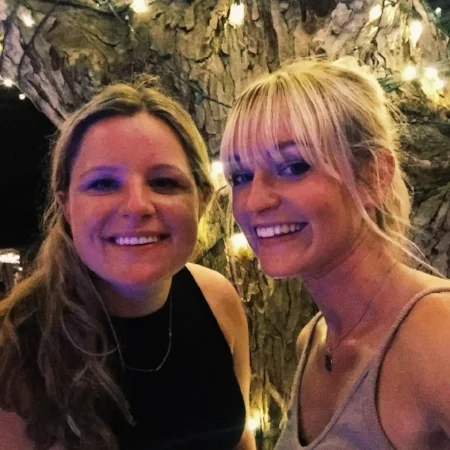
In September, I went to my first conference as a freelancer with my fellow writer Emma, and she and I worked together in Austin for a few days after the conference. It was so nice to get some face time with people I’d been working with for months, and Emma and I had several brainstorming sessions that I’m very excited about.
Brandon and I had more travels this year, with our longest trip being to California. While we were there, we visited San Diego, Santa Monica, LA, and…my favorite…Palm Springs.


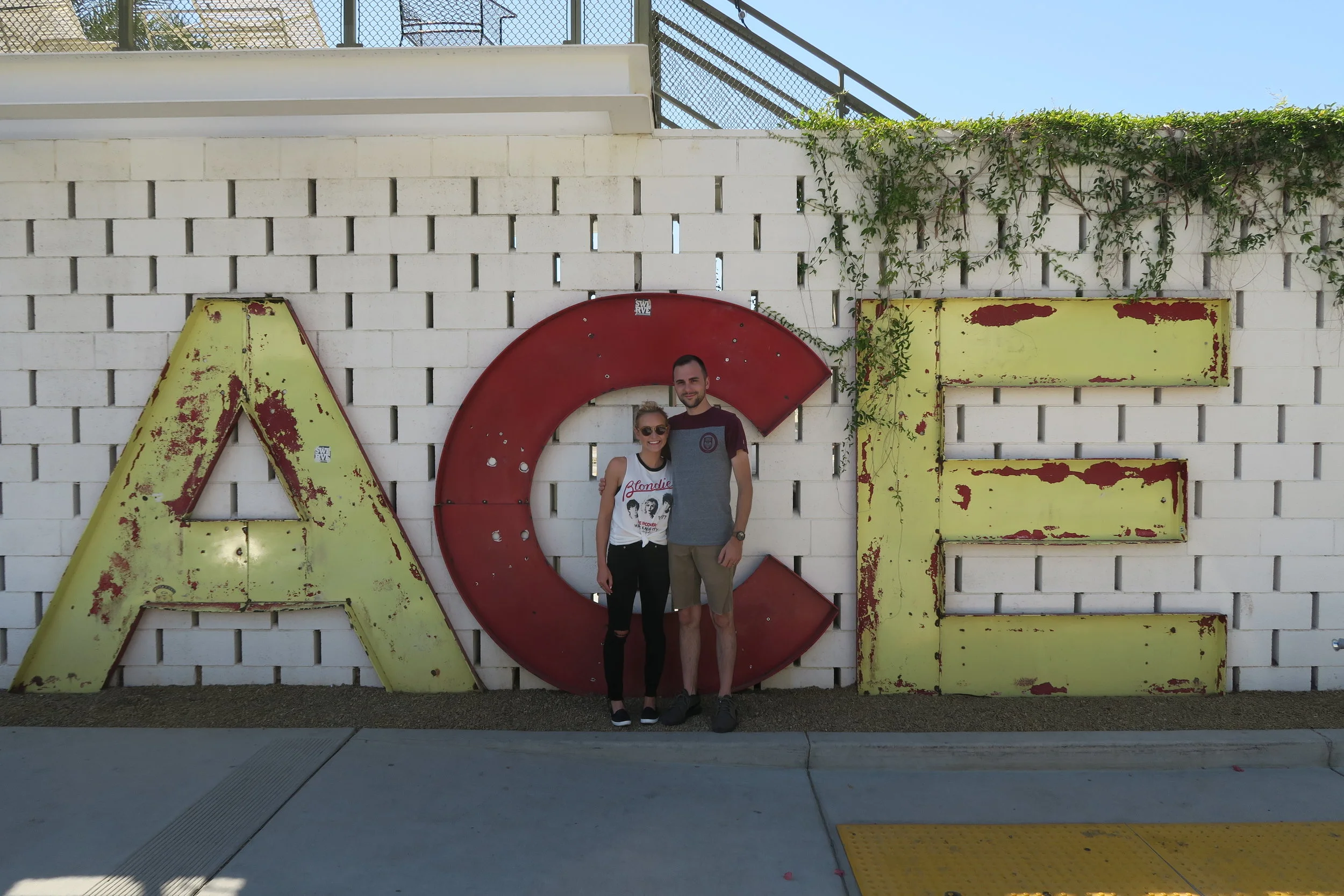

I loved staying at the Ace Hotel. Thank God for their swimming pool. It was June, and temps were 100+ degrees in the dessert, but it was so beautiful and charming. I want to go back again!
Other trips included:
Louisville, KY
Nashville, TN
Chicago, IL
St. Louis, MO
Sanibel Island, FL

Sanibel Island/Captiva is one of my most favorite places. This was our third trip there (Brandon had a work conference) and so we spent a few days escaping the Midwestern winter defrosting there. I had my first experience with stand-up paddle boarding (fun!), and we rode bikes ate tasty bagel sandwiches. This island feels like its own little world.
I also recently spent a day working from a remote cabin about an hour from the home office. It was nice to get a change of scenery without having to travel very far. Would do again.
Goals for the Year Ahead
Looking forward to 2017, there are a few things I want to accomplish.
First, I’d love to do some mentoring/coaching with beginner freelance writers who need someone to help them find their path. I’ll be officially introducing my four-week, one-on-one coaching sessions in January. This will be extremely limited, as I only plan on working closely with one or two people at a time. More details to come, but feel free to email me if you want to be notified ASAP.
I’m also planning on meeting up in person with fellow freelancers next year, because face-to-face interaction is important to me—and it’s a great way to get inspired with new ideas. Emma and I are already working on this. Exciting!
Other goals:
Release an eBook (or two)
Reach a targeted income goal (which is actually not set as high as what I earned this year, because SANITY)
Keep healthy habits, like drinking 64 oz. of water per day
Take another international trip (maybe put those Spanish skills to work)
Right now, I’m really happy with where I’m at in my business. So happy, in fact, that I sometimes find it hard to strive for more than what I’ve got going right now. However, I know it’s always a good idea to challenge yourself and try new things…so I’ll be doing that, too.
Looking forward to 2017. Thanks for reading...and I hope this coming year is a good one for you, too!

Must-have Home Office Investments Under $100
If you work from home, you know your home office space is like a sanctuary.
Not only does it need to be comfortable and work-conducive, but it also needs to include some tools that keep you efficient and healthy. After all, you spend a lot of time in there.
If you work from home, you know your home office space is like a sanctuary.
Not only does it need to be comfortable and work-conducive, but it also needs to include some tools that keep you efficient and healthy. After all, you spend a lot of time in there.
That’s why I wanted to share some of my favorite office/work investments from this past year that have helped improve my home office and work day in big ways.
All of them are less than $100, too—so if you’re still struggling with a gift idea for a friend who freelances or works from home, these are fantastic (and affordable) ideas.
(I’m not using affiliate links or being paid to promote these products—just purely recommending them based on my unbiased opinion.)
1. Space Heater
This mod-looking space heater is a recent addition, and it helps keep me warm and cozy in my home office during winter months. There are a lot of windows in my workspace, and I’m always cold anyway—so this has been a game-changer. Bonus: It doesn’t take up much space, and Brooks, my furry co-worker, is enjoying lying in front of it.
2. Essential Oil Diffuser
I couldn’t find the exact one I have, but this is close. I know a lot of people are on the fence about essential oils—and while I don’t think they have any magical powers—I do enjoy the subtle, calming scents. Mine automatically shuts off after two hours, so I use it in small doses rather than having it run all day while I work. My favorite oils to diffuse are Thieves by Young Living and Eucalyptus.
3. Foam Roller
If you’re sitting at your desk for 6-8 hours a day, you’re going to get stiff. I try to use this trigger point foam roller a few times a week (especially on my back) to loosen things up. I also take it with me on car trips.
4. Yoga Mat & YogaGlo Subscription
Speaking of being stiff from sitting—I’ve made it a priority this year to get out of my chair and move each day (or most days, at least) by rolling out the yoga mat and doing 10-30 minutes of yoga. I really enjoyed my YogaGlo subscription that made it easy for me to find on-demand yoga videos organized by duration, type, style, and goal. I let my subscription expire a few months back when I had some health issues that kept me from using it much, but am thinking about signing up again. You can send gift credits for subscription, which makes this an easy gift option for the holidays.
5. Outdoor Hammock
Okay, so, not really office equipment…but…hear me out. Brandon surprised me with this hammock when I got back from a conference in Austin this year and I absolutely fell in love with it. We put it beneath two massive trees in our backyard and it quickly became my favorite place to eat lunch and take breaks during warm weather days. It’s comfortable, affordable, and very relaxing. I’m so glad I had this to enjoy this fall because it helped me get outside more instead staying glued to my computer all day.
6. Reusable water bottle
I strive to drink 64 oz. of water each day, so having a fairly large water bottle that I only have to refill twice per day helps me keep track of my progress. Plus, it keeps you from buying hundreds of pre-packaged water bottles (yay, environment!)
Small investment, Big Reward
These are just a few of the things I’ve come to use on a daily basis in my work space, but if you’re looking for more recommendations about tools, office equipment, and writing resources I love, be sure to read this post, too.
This article originally appeared in my newsletter, A Cup of Copy. Sign up and get these free tips sent right to your inbox every other Wednesday.
Writing Email Subject Lines That Stand Out From the Holiday Deluge
Right now, I’m getting about 50% more emails than I usually do.
Holiday promo after holiday promo is rolling into my inbox.
And honestly, I’ve only actually clicked on 2-3 of these emails to see what’s inside.
Know why?
Right now, I’m getting about 50% more emails than I usually do.
Holiday promo after holiday promo is rolling into my inbox.
And honestly, I’ve only actually clicked on 2-3 of these emails to see what’s inside.
Know why?
The subject lines all look the same.
- Cyber Monday sale starts now!
- XX% Savings Sitewide!
- Black Friday Deal TODAY ONLY
Bleck.
Sure, they’re telling me exactly what’s inside the message, and I appreciate that. But it’s just more marketing noise, in my mind. Not exciting, not interesting—not open-worthy.
However, the email subject lines that have got me to click through were the ones that did something unique. They broke the norm. They stepped away from the expected and spent a few extra seconds creating an email subject line that was open-worthy.
How’d they do it?
Ditching Expected Words
Sure, you want your email campaigns to have relevant, honest subject lines that preview what’s inside your message. But that doesn’t mean you have to do so in the same few words as everyone else.
In fact, the emails I ended up checking out this year didn’t use a single word like ‘Cyber Monday’ or ‘Limited Time Offer.’
Here’s one I found interesting:
We’re sorry.
Inside the message, the copy opened with: We’re sorry we can’t offer discounts like this year-round…but today’s your lucky day! Get 20% off Sunday only.
Clever. A little sneaky, sure…but it worked.
Another one that I opened had a subject line that read:
World’s Best Boss?
When I opened this up, there was a gif of the one and only Michael Scott winking at me with his beloved mug reading the same message. It included a gift guide with office-appropriate gifts.
Again, this subject line didn’t use any phrases like “gift guide” that would’ve made me breeze on by.
But I can’t resist a relevant pop culture reference. Especially when it’s a gem like Michael Scott. It worked!
Learn from the Examples
So what can we glean from these two effective subject lines that got my ever so resistant mind to open some marketing emails?
- Leave behind the words your audience expects to see. Instead of using words like ‘sale’ or ‘free shipping’ in your subject line—try to write something that creates a curiosity gap for the reader (without being too misleading.)
- Make ‘em LOL. Or at least snicker. Connect with your readers as human beings through your brand personality. Don’t be afraid to embrace the strange.
- Personalize, please! Not one of the emails I got leveraged my first name in the subject line—and that’s almost a surefire way to get me to open your email. It just feels more…customized. And still, not many others are leveraging this feature yet (in my experience.)
I know this works, because I tested this tactic on the subject line of this email that I sent out to my subscribers, too. I titled the message 'Hi, friend' and used preview text that simply said, 'Hope you had a good Thanksgiving!'
The results: The highest ever open rate for both of my lists. We're talking about 12% higher open rate than normal. That, to me, is a testament of this tactic being effective.
Why'd it work? This approach had a much more personal feel than a regular, click-baity subject line. It used a human element, which made sense in the context.
I dare you to try these methods out on your next email and see if it makes your open rate jump. No promises, but I think it’s an important experiment to test with your audience.
This article originally appeared in my newsletter, A Cup of Copy. Sign up and get these free tips sent right to your inbox every other Wednesday.
How Freelance Writers Stack Up: New Research
You know what?
Perspective is a good thing.
Sometimes it’s interesting/important to know how the work you’re doing compares with your fellow writers.
So I wanted to share some new and new-ish data that sheds some light on the freelance writing world.
You know what?
Perspective is a good thing.
Sometimes it’s interesting/important to know how the work you’re doing compares with your fellow writers.
So I wanted to share some new and new-ish data that sheds some light on the freelance writing world.
Work Types & Production
First, let’s check out the recently released data from my pal Andy Crestodina at Orbit Media. His team just wrapped up a survey of 1,000+ freelance writers.
Major findings:
- The average blog post takes about three hours to write.
- Almost half of all writers edit their own work rather than using a formal or informal external editing process.
- The average blog post is about 1,000 words.
- Posts that are 2,000+ words see the best results (when they’re high quality.)
- Only 15% of writers are incorporating video, but more than 75% use images.
- Most writers are only publishing weekly—down from the more frequent 2-6 posts per week in 2015.
If you’re intrigued, you can read the full report here.
Overall, this data shows that freelance writers (and content teams, for that matter) are publishing less frequently—and rather than churning out short-form posts, they’re shifting now into longer, more in-depth posts that take a bit longer to produce.
But what about average rates? That’s another arena we’re always curious about, right?
Average Rates for Freelance Writers
Rates depend on skill level, project scope, and a lot of different factors. But for the sake of perspective, let’s look at some averages.
Data from Venngage shows that at the high end of the spectrum, writers were charging up to $2 per word. However, the average freelancer makes about $.30 per word.
The math on that: a 500 word post = $150, or a 1,000 word post = $300.
Not bad, but it’s going to take a lot of writing to pay the bills on that pay scale.
What really shocked me, however, was that 72% of writers were making less than that average. The data showed that the majority of writers make about $.17 per word. That’s $170 for a 1,000-word post.
Think about the time and research that goes into a 1,000-word post. We know that the average post takes about three hours to write, so that’s about $57 per hour. That sounds like a baller rate, right?
Sure—but you’ve got to have a wide open calendar and a lot of work coming your way for that to be a livable wage (if freelance writing is your full-time gig.) If you’re only getting three to five 1,000-word assignments per month, the average writer is only making $680 per month. This is far below the poverty line, in fact.
So what can you do with this data?
- Raise your rates. Charge more per word for your services. Think about the ROI of the content you’re creating—it’s helping businesses get new customers, drive sales, and generally make more money. That’s a value proposition for you.
- Increase your efficiency without sacrificing quality. I wrote about my process for that if you’re interested.
- Increase your pipeline for new, relevant work. Make friends with fellow freelancers. Reach out to ideal clients on Twitter. Participate where your ideal customers are spending time.
If you can tackle these three things, you’ll be starting down the path to a more sustainable writing business.
P.S. If you're interested in another read, I just published a new post over on Copyhackers about how I find my ideal clients!
This article originally appeared in my newsletter, A Cup of Copy. Sign up and get these free tips sent right to your inbox every other Wednesday.
Writing Formulas That Drive Conversions & Sales
Guess what?
Writing to drive conversions and sales is super simple.
And you don’t have to be Don Draper to nail it.
All you have to do is follow some tried and tested formulas that advertisers and copywriters have been using successfully for years. They work!
Let’s look at some of my favorite formulas, shall we?
Guess what?
Writing to drive conversions and sales is super simple.
And you don’t have to be Don Draper to nail it.
All you have to do is follow some tried and tested formulas that advertisers and copywriters have been using successfully for years. They work!
Let’s look at some of my favorite formulas, shall we?
P-A-S
Problem-Agitator-Solution (P-A-S) is, like, the oldest formula in the book.
You find your audience’s problem
You agitate it by reminding them of all the reasons it’s annoying and bothersome
And then you solve it by presenting a super-simple solution
Empires have been built on this formula. Think of all the infomercials you’ve seen that illustrate this formula in exaggerated form: People fall and can’t get up. They dramatically spill things and cause stains. They wrestle with cords. You get it.
But then…an amazing, life-changing solution sweeps in and makes life so much easier. Boom. Sold.
You can use this setup on landing pages, long-form sales pages, emails, and basically anywhere you’re making a sales proposition. It’s as good as gold.
B-A-B
I got you (B-A-B.)
Bad joke. But seriously, Before-After-Bridge is another helpful formula you can use to make the path to action seem like a no-brainer. It works like this:
You outline the current situation (life before the solution)
You ask the reader to imagine a simpler world in which their problem is solved (after the solution)
And then you outline the path to that “after” version with a (bridge)
This is a great setup for creating value-packed blog content—especially if you’re explaining how you achieved amazing results (like a 4500% increase in conversions, subscribers, sales, etc. etc.)
Use it as a grownup ‘how-to’ template and tease it with a compelling headline that leverages a curiosity gap.
F-A-B
I’ll skip the pun on this one, mmkay?
Features-Advantages-Benefits (F-A-B) helps you write words that speak directly to your audience—and promotes features before benefits.
Lots of writers make the mistake of only touting features…but nobody really cares about those. Instead, they want to know how the benefits of those features will be advantageous to their lives. Hence, F-A-B.
It goes a little something like this:
Feature talk is restricted to explaining what your offering does
Advantages explain to the reader why those features are so wonderful
And benefits is where you drive home value and talk up the problem-solving aspect
This formula is super handy for headline writing and for crafting click-worthy email subject lines.
Write Smarter, Not Harder
Guys: These formulas work—so don’t try to reinvent the wheel when you’re writing. Use them as a template and make them your own.
Maybe you were already familiar with them, or maybe you needed a reminder. Either way, hope this helps keep them fresh in your mind. Now go craft some interesting words that do what you need them to, smartypants.
This article originally appeared in my newsletter, A Cup of Copy. Sign up and get these free tips sent right to your inbox every other Wednesday.
Should Freelance Writers Market With A Name or A Brand Name?
Here's a question I hear a lot from freelance writers:
Should I market myself as a person with just my name, or should I try to build a brand for my business?
The answer, in my experience, is a clear one.
Here's a question I hear a lot from freelance writers:
Should I market myself as a person with just my name, or should I try to build a brand for my business?
The answer, in my experience, is a clear one.
Marketing yourself as a person is far more effective than trying to stand behind the logo of a faceless brand.
How do I know that? Because I’ve tried both.
My Story: Starting with a Brand
Before I jump into the story, let me clarify my business goals.
I'm working as an individual, and I don't have employees (nor do I plan to.) I'm a one-lady operation, and I like it that way.
However, if you plan to grow your business beyond yourself (hiring a team, etc.), this probably doesn't pertain to you...and a brand makes a whole lot more sense. If you plan on staying a solo like me, then keep reading.
My story:
When I first started freelance writing, I was marketing myself as a brand (Lumen) that offered a wide variety of services—social media management, writing services, and graphic design.
Keep in mind that this was before I niched down.
And while my picture was on the ‘About’ page, the majority of the site focused on the brand itself—the logo, the color scheme, and brand messaging that pivoted around the name of the brand (Lumen: Shining a bright light on your business.) Clever, right?
Maybe so—but it wasn’t very effective. There were some issues with this approach:
By marketing my services as a brand, I was missing the opportunity to connect and build relationships with others as an actual human woman.
What I quickly learned was that those who were hiring service-providers (like me, a freelance writer) wanted to work with individuals with a name and face they knew—not necessarily a brand.
The faceless brand also made it hard to connect with people on social media.
When I posted from the Lumen accounts, people couldn’t figure out who I was—and the following never really grew. My theory is that people like to talk to other people on a regular basis, not businesses or brands.
Do you want to tweet back and forth with your favorite logo? Maybe if they’ve made you mad or surprised you with amazing customer service—but probably not on a regular basis.
I realized the brand name wasn’t working, so I decided to try a new approach.
The Transition to Kaleigh Moore, Freelance Writer
To re-introduce myself, I had a new website built that used my name and was niched down to offering only writing services for SaaS and eCommerce clients. No logo—just my name, photo, and customer-focused language that promoted my value proposition.
I also let the Lumen social media accounts fall to the wayside and started using my personal social media accounts instead. You know, the ones with my face as the profile picture that made me easily recognizable.
What happened?
I got hired more often. Referrals came more easily.
I was able to better target my dream clients, and there was less confusion around who I am and what I do.
Now, this wasn’t because using my name and face had some magical powers: I worked hard to get published in places where my ideal clients look for expertise (places like Copyhackers, SumoMe, Entrepreneur & Inc. Magazine.)
The difference was: People remembered and connected with me as a person far more than they did with a brand name.
So what’s the lesson here?
Brand names and logos are great, but in my experience as a freelance writer, you’re better off marketing yourself with your real name and face.
People want to hire other people in most scenarios—the brand or business doesn’t really matter that much to them.
What do you think? Feel differently? Wrestling with this question yourself? Tweet me @kaleighf and tell me about your experience.
This article originally appeared in my newsletter, A Cup of Copy. Sign up and get these free tips sent right to your inbox every other Wednesday.
Making the Case for an Offbeat Copywriting Voice
There’s a lot of sterile copy out there.
And guess what?
It doesn’t sell. It doesn’t inspire. It doesn’t even tease out a little smirk.
Because it’s BORING.
There’s a lot of sterile copy out there.
And guess what?
It doesn’t sell. It doesn’t inspire. It doesn’t even tease out a little smirk.
Because it’s BORING.
So today, I want to encourage you to write in a way that embraces the strange.
Odd is Good
Anyone can write using the standard business-speak like “custom solutions” and “high-quality service.”
But guess what? That makes eyes glaze over. Readers are like, “DON’T CARRRE.”

If you want your customers or website visitors or email readers to notice you, you need to do something unusual with your writing style.
Take this example from CD Baby. They ditched the standard thank you email for something much more interesting:
Thank you for shopping at CD Baby!
Your CD has been gently taken from our CD Baby shelves with sterilized contamination-free gloves and placed onto a satin pillow. A team of 50 employees inspected your CD and polished it to make sure it was in the best possible condition before mailing.
Our world-renowned packing specialist lit a local artisan candle and a hush fell over the crowd as he put your CD into the finest gold-lined box that money can buy. We all had a wonderful celebration afterwards and the whole party marched down the street to the post office where the entire town of Portland waved “Bon Voyage!” to your package, on its way to you, in our private CD Baby jet on this day.
We hope you had a wonderful time shopping at CD Baby. In commemoration, we have placed your picture on our wall as “Customer of the Year.” We’re all exhausted but can’t wait for you to come back to CDBABY.COM!!
Thank you, thank you, thank you!
Sigh...
We miss you already. We’ll be right here at www.cdbaby.com patiently awaiting your return.
See what I mean? This is so much more fun and laced with personality than the simple thank you for your order message.
And more than that—it’s memorable. It makes your customers love you just a little bit more for not being just another piece of garbage in their inbox. You made them smile. And maybe they needed that.
If you had to choose between reading boring and brilliant copy, which would you choose?
Ummmm, it’s the latter, guys. Weirdness, personality, and quirkiness—they’re much more fun and engaging to read.
This is something to seriously consider the next time you’re having a conversation about brand voice.
Consider Your Voice & Audience
A word of caution here: If you’ve been using a formal brand voice for a long time, it’s going to confuse your audience if all of the sudden you start writing in a silly, quirky voice.
You can make the switch, but you might want to consider a re-branding initiative that gives you as chance to re-introduce yourself with a fresh new look and sound. Otherwise, it seems a little out of nowhere, and you risk losing authority.
And if you’re a brand whose audience looks to you for formality, security, and seriousness—this doesn’t make sense. (Bankers, lawyers, doctors—this isn’t a good fit.)
However, you’re not locked in completely to where you once were. You CAN switch up the tone, voice, and style with which you speak to your customers. Just keep in mind that it needs to be done mindfully—and maybe as part of a larger initiative.
Dare to Be Different
The bottom line here: Different is dazzling.
It catches the eye of a reader who’s completely desensitized to reading the same standard copy over and over on a million different pages throughout the day.
And if you’re willing to test it out, you can win the hearts (and minds) of an audience who’s searching for a brand that’s willing to be bold.
This article originally appeared in my newsletter, A Cup of Copy. Sign up and get these free tips sent right to your inbox every other Wednesday.
Should Freelancers Go to Conferences?
In September, I tried something new.
I attended my first business-related conference (SumoCon, hosted by AppSumo.)
The thing was: I wasn’t really sure if conferences were for me.
I’d been to my fair share of work-related conferences in the past (and at this point in my freelancing career) I went in knowing that it very likely might not become a habit.
In September, I tried something new.
I attended my first business-related conference (SumoCon, hosted by AppSumo.)
The thing was: I wasn’t really sure if conferences were for me.
I’d been to my fair share of work-related conferences in the past (and at this point in my freelancing career) I went in knowing that it very likely might not become a habit.
Why so skeptical?
Being out of the office means not writing, and that means not making money for a few days (and doing what I love!)
Plus, conferences + meeting lots of new people = waaaaaaay out of my comfort zone, if I’m being 100% honest.
But, I wanted to attend this particular conference as it seemed like one that was relevant to my particular niche, it was one a few of my Twitter pals were attending/speaking at (hello face-time and goodbye loneliness for a few days!), and the topics being covered were ones I sincerely want to learn about.
So I bought my ticket, and off I went.
How’d It Go?
The conference itself did have some insightful sessions and excellent speakers (Bryan Harris, Tommy Griffith, and Justin Jackson were my favorites.)
However, some of the topics weren’t ultra relevant to me as a freelancer, and overall I’d say this particular conference was best suited for small to mid-sized business owners and entrepreneurs rather than freelancers.
I did love meeting some of the people I’d chatted with on Twitter for years face-to-face and getting to even go out for tacos with them one night. In doing this, I also met lots of nice new people I wouldn’t have met otherwise. Three cheers for that!
On the bummer side: I’d say 80% of conference attendees were men. Nothing wrong with the dudes--they were all very nice--just would’ve liked to see some more diversity in the demographic.
The Point Is...
It’s always important to learn and try new things, so I’m glad I gave this a whirl. Does it mean I’m going to become a business card slinging, 10-conference-a-year attender? Ummm...probably not. Actually, I can guarantee that’s not going to happen.
The point is: Sometimes, it’s important to step outside of your comfort zone and try new things--especially for the sake of education, learning, and making new connections for your business.
Added bonus (and probably the best part?) of all of this: I also got some one-on-one time with Emma, a fellow freelance writer and friend, who I’ve been working closely with for 3+ years.
Not only did we get to learn at this conference together, but afterwards, we got to work in the same space for a few days, brainstorm on some ideas for clients we share, and talk about what’s ahead for both of our businesses.
That’s amazing.
So here’s what I learned: If you’re a freelancer who hasn’t taken a break to go to a conference or to meet up with someone who “gets” you and what you do--I encourage you to do it. I think it’s one of the best things you can do for your business.
This article originally appeared in my newsletter, A Cup of Copy. Sign up and get these free tips sent right to your inbox every other Wednesday.
Being a Better Businessperson for Your Freelance Writing Clients
You know what I hate?
I hate waiting.
Life involves a lot of waiting. Waiting in lines, waiting at stoplights, waiting for a package to arrive...It's just part of the process. We have to deal with it.
You know what I hate?
I hate waiting.
Life involves a lot of waiting. Waiting in lines, waiting at stoplights, waiting for a package to arrive...It's just part of the process. We have to deal with it.
But when we're left hanging without an update on our wait--the wait is much more frustrating.
Ever ordered something online and didn't get a tracking number with it? You want to know where your new thing is...but there's no update to check! AHHHHHHHHH!
Freelance writing clients feel the same feels when you leave 'em hanging. That's why you have you remember to be a better business person while you juggle your different tasks.
What does it mean to be a better businessperson?
Here’s the thing: Any writer can turn in decent work on time.
That’s what’s expected of a writer for hire, right? Right.
But a good businessperson keeps the client updated along the way with progress updates (if it’s a sizable project.)
They go above and beyond to keep them in the loop all along the way. They strive to create a partnership, rather than a one-sided indebted relationship.
Think of it like this: Have you ever hired someone for a project, but had to check in with them to see how things were going…because you hadn’t heard a word from them since you paid your deposit three weeks ago?
That’s annoying—and it makes you feel forgotten by the person you paid.
Here’s what I do to try and create a better business relationship with all of my writing clients. Feel free to steal it and put it to work for yourself.
Keeping Writing Clients In the Know
Especially when you’re working with a brand new client, you want them to understand your processes and timelines.
For me, this is why I always send out an initial email that outlines my workflow. It’s super simple—just a breakdown of how I work.
This helps the client understand what they can expect from me and when, how the editing process will work, and establishes deadlines and due dates for both of us (to keep our timetable consistent and the project on track.)
Once I start working, I check in once a week with a brief rundown on where I’m at with the project and an update on when they can expect the next piece from me. This keeps them from guessing, “Where are we at with _______?” or, “Have you heard anything from Kaleigh about our _______?”
The Final Review
When the project is done, I always ask for a thorough review not only of the work itself—but of the project management as well. I ask how I can improve in the future as well as what they liked about the tactics I’m currently using. (I also ask for a testimonial, because DUH.)
These reviews help me fine-tune this process over time, but I’ve found that checking in during the project (not just after!) consistently gets extremely positive feedback from writing clients.
Checking in and giving updates all along the way might seem like a really simple, common sense piece of the puzzle to tie in to your process, but when you get busy--it's one of the first things to go. If you needed a friendly reminder, here it is.
What’s the bottom line in all of this? Writers—when you’re working remotely with clients you’ve maybe never met before, let them know you’re here for them—even if it’s from miles away. As humans, we still need to feel that connection, I think. We want to feel cared for. It’s important.
This article originally appeared in my newsletter, A Cup of Copy. Sign up and get these free tips sent right to your inbox every other Wednesday.
How to Stop Taking Edits Personally
Stop Taking Edits So Personally
Writing is the first hurdle.
Getting your edits done is the second.
You think you’re all done with a project and then…Ha! Nope. You’ve got some re-writing to do.
Writing is the first hurdle.
Getting your edits done is the second.
You think you’re all done with a project and then…Ha! Nope. You’ve got some re-writing to do.
I bet this has happened to you before.
Ever opened a link from an editor and thought, “OH NO… WHY ARE THERE SO MANY COMMENTS IN THIS GOOGLE DOC!?”
A nervous sweat breaks out…you thought what you turned in was good…what went so wrong? Did you misunderstand the direction you were given? Are you not as familiar with the client as you thought you were? Are you losing your writing edge?
The struggle is real when it comes to handling edits. Let’s talk it out.
It’s Not About You
First of all: We need to understand that edits are 9 times out of 10 not a personal attack.
The thing is—writers often feel personally connected to what they write, no matter how trivial the subject matter. So when we see comments about how sections “aren’t quite hitting the mark” or “need cleaning up” they feel like tiny, hot knives in our little writer hearts.
So although it might feel like it sometimes—editors are not out to hurt our feelings. They’re out to make the writing stronger, better, and more clear.
Let’s all get on the same page about this right now:
When you see comments like, “It didn’t work for the client,” it isn’t the same as “It wasn’t good.” That’s a matter of taste, not a matter of quality.
If you’re a writer who works from home, alone, without anyone around to say, “Hey dummy, snap out of it! You’re looking at this the wrong way,” you can very quickly begin to question your abilities, your career path—you see how the spiral of negativity begins.
Remember this the next time you struggle with the editing process. It’s not about you—it’s about the writing, the project itself, and the objective for the client. Remove yourself from the equation, and it gets a whole lot easier to deal.
You Will Get the Occasional Aggressive Editor
My pal Emma and I talked a while ago in our Blab chat about how, every once in a while, you’ll get an editor whose comments just aren’t very constructive. Instead, they’re kind of angry, negative, and sometimes—straight up mean.
They leave comments like, “What even is this????”, or “This is BAD. Fix IT!!” that are riddled with capital letters, multiple punctuation points, and general unveiled angriness.
These aggressive editors are rare, and the relationships with them often are brief and tumultuous, much like those of the dating type. Instead of sharing what elements they do and don’t like, as well as constructive direction on what needs to be fixed, they comment on how you’re a generally bad writer, a stupid human being, and a waste of time.
When you come across one of these gems—RUN. I’m serious. Be professional, but as soon as those red flags go up, part ways. They’re not mad at you. They’ve got other things going on, and you’re the punching bag. Time to go.
Take on Your Edits With Zeal
Edits from a talented editor are exciting. They elevate your writing from good to great.
I remember the first time I got back a set of comments from an amazing editor. I was completely blown away by how much better the piece was by her suggestions. We’re talking, like, 10x better by just a few comment and tweaks. Now that’s a gift.
And herein lies the beauty of the editing process: When you approach it with the right attitude, you can accomplish something wonderful. Working with smart people, you can produce a piece that’s helpful, valuable, funny, and smart (if you’re lucky.)
The ultimate bottom line: Don’t fear the editor, the editing process, or edits in general. You got this.
This article originally appeared in my newsletter, A Cup of Copy. Sign up and get these free tips sent right to your inbox every other Wednesday.
Mistakes I Made Early in My Freelance Writing Career
This is kind of embarrassing.
When I started freelancing, I did some things that, looking back, I wish I wouldn’t have.
But…you live and you learn. So, I’m gunna share this with you today so you can have some lols and hopefully learn from me too. Don’t lol too much, please.
This is kind of embarrassing.
When I started freelancing, I did some things that, looking back, I wish I wouldn’t have.
But…you live and you learn. So, I’m gunna share this with you today so you can have some lols and hopefully learn from me too. Don’t lol too much, please.
Tying Up Time
Early in my freelancing career, I took quite a few in-person meetings with prospective clients. And most of the time, I didn’t do much research beforehand.
I got an inquiry through my website, set up the meeting, and was excited by the prospect of potential new work.
But the problem with this: One time, I found myself sitting on a pleather couch in a nightclub-like setting in the middle of the day surrounded by red floor lamps while the “potential client” spent an hour explaining his entire business model to me—all while it became more and more clear that he had no real grasp of the services I had to offer (nor a need for them.) Not to mention—his business made absolutely no sense for mine, as a client, either.
The lesson: Don’t start with in-person meetings. Conduct some initial background research on the client to see if they fit within your niche. Then, start with a preliminary phone call or email.
Having to Over-Educate
The very first time a large local business asked me to come make a formal presentation for them, I made a similar mistake. My partner and I spent hours putting together bound, yes, BOUND proposal booklets, a PowerPoint presentation, and a script.
I put on my red power blazer (I was super into blazers at the time), I presented, and I patiently answered about 45 minutes of questions—all while giving tons of free advice and consulting that I normally would have charged for.
And guess what? After all that time spent educating and providing value…they didn’t hire me. It was a complete time-suck. What really made me kick myself: They started using some of the advice I had given out for free in our meeting.
The lesson here is two-fold: 1) Don’t give out free tips in a prospect meeting. 2) Don’t invest your time in educating a mid-level lead that needs a ton of convincing to hire you. If they’re not already excited to work with you when they reach out, it’s probably not going to pan out.
Taking Anyone Willing To Pay Your Rates
Early on, I had a client come through my website who seemed like a good fit. He was willing to pay my current rates, and it seemed like a fairly low-maintenance project he wanted to work on together. He had a shower-related product and I was like, yeah, cool, I like showering.
But then he started texting my cellphone on a Saturday night, berating me for not accepting his proposal for the project (that he’d sent at 5 p.m. on Friday.) He started insulting not only my professionalism, but my intelligence, too—in a barrage of texts that didn’t stop until I declined the proposal and essentially fired him a few hours later (before the work even began.)
The lesson: Just because a client seems like a good fit and is willing to pay your rates—it doesn’t mean it’s always going to work out. You can’t always take any client who comes your way. Screen, screen, and do some more screening.
Taking Clients Who Aren’t In Your Niche
When I was getting started, I would take lots of different writing jobs because I felt that as a writer, it wasn’t the subject that mattered—it was that I could write. I could always research and figure stuff out.
Remember the best tip I ever got from a content manager? She said, “Find a niche, and write for it. You’ll build up a knowledge base and it’ll be a whole lot easier for you and your content manager.” So wise.
But, um…yeah. I didn’t do that for a long time. As a result, I wrote about healthcare, eLearning, technology—all things I had to do a ton of research on to write about effectively.
The lesson: If you take clients who aren’t in your niche, you’re going to spend hours wading through JSTOR trying to make sense of an industry you don’t understand. I’ve been there. It's hard. Find a niche, learn all you can about it, and the writing will be so much easier—and you’ll get the expertise your clients are after.
This article originally appeared in my newsletter, A Cup of Copy. Sign up and get these free tips sent right to your inbox every other Wednesday.
The Starter Kit for Freelance Writers
Today, I’m sharing all of my favorite things that make life as a freelance writer easier. Think of it as a freelance writer starter kit that I’ve put together just for you.
It took me about three years to discover and realize the importance of these different things, so I’m hoping this will save you some time. Let’s dive in.
Today, I’m sharing all of my favorite things that make life as a freelance writer easier. Think of it as a freelance writer starter kit that I’ve put together just for you.
It took me about three years to discover and realize the importance of these different things, so I’m hoping this will save you some time. Let’s dive in.
Freelancing Tools
ConvertKit: My newsletter ran through Mailchimp for years, but I’ve recently decided to switch over to ConvertKit.
Wave: I use Wave for all of my invoicing and electronic payment processing. It’s free (aside from the standard payment processing fees), it allows me to brand my invoices, and it helps me track my income with a clean, organized dashboard.
Slack: Another freebie, but great for going back and forth with content teams and fellow freelancers (to fight the lonely feels.) Bonus: It keeps your email inbox a whole lot cleaner.
Squarespace: My website runs through a Squarespace, and was built out by my business partner/husband/bff. It’s super simple to use and update, the hosting is very reasonable, and it’s completely customizable.
Creative Class & Creative Class Contract: Paul Jarvis has created two incredible resources for freelancers. One’s a course that teaches you how to be a more focused, professional freelancer (completed this, LOVED IT), and the other is a customizable contract you can send out to clients—which saves a ton of time and makes you look super professional. Highly recommend both.
Writing Tools
CoSchedule: A few of the clients I work with use CoSchedule for managing assignments. It's a fantastic tool that keeps things organized and helps everyone get on the same page when there are many different moving parts (like images, SEO details, progress updates, etc.)
Trello: Trello is also helpful when managing assignments for a remote team. It’s whatever you need it to be, based on the project you’re working on at the time.
Thesaurus.com: The best resource I’ve found for synonym hunting. The built-in tools like in programs like MS Word just aren’t comprehensive enough.
Copy.ai: Great for generating ideas when you’re stuck on writing a good headline.
Grammarly: I should use this more often than I actually do. It’s great for catching errors and suggesting improvements that make your writing stronger and more clear.
Office Thangs
iMac & Macbook Air: Before you groan over these being Apple products, let me say this—I was a PC user for many years before I switched. However, I can honestly say that the speed and screens on these two devices have changed my working world. I spend zero time waiting on annoying updates to load, the desktop screen is large enough for easy split screen working, and my laptop springs to life when I open it. I love that.
Herman Miller Aeron chair: This desk chair isn’t cheap, but I spend a ton of time in it—so I needed it to be reliable and good for my back. Invest in a chair that is easy on your body. You won’t regret it.
Steno pads: I like to hand write my notes when getting my initial ideas down for a piece of content, so I always keep a couple of steno notebooks nearby. They’re a good size and easy to flip—and they make it easy for me to chase down old notes.
Whiteboard: I use this thing EVERY. SINGLE. DAY. From my daily and monthly to-do lists to clients that need to be invoiced, this board keeps me sane.
Make Life Easier
Aaaaaand you’ve arrived at the bottom of the goodie bag. I hope that if these tools or resources are new to you, you’ll check them out—they’ve certainly been game changers for me.
This article originally appeared in my newsletter, A Cup of Copy. Sign up and get these free tips sent right to your inbox every other Wednesday.
The Trouble with Self-Competition (And Doting on Monthly Income)
Remember a couple of weeks ago when I talked about freelancing and loneliness?
Well, there’s something else I’ve been wrestling with, too.
It’s competition.
Not competition with my peers—competition with myself.
Remember a couple of weeks ago when I talked about freelancing and loneliness?
Well, there’s something else I’ve been wrestling with, too.
It’s competition.
Not competition with my peers—competition with myself.
The Ever Out-Doer
See, when you start freelancing, you take on a certain amount of risk. You don’t have a guaranteed salary. Your income and workload fluctuates from month to month.
But the upside of that is you have this incredible potential to earn. If you’re willing to put in the work, you can increase your rates and monthly income on a month over month basis (until you max out, because, well, you’re just one person.)
And because you don’t see an annual salary that reflects how you’re performing, you look for another metric to indicate success. Maybe it’s the number of clients you have. The tier of clients you’re attracting. For me, it’s the amount of monthly income I make. That’s been my benchmark for success.
But this is a verrrrrry sticky place to be.
You see this opportunity to increase your earnings as a challenge. And as a competitive person, you constantly want to out-do yourself. But in order to do that, you have to say yes to more jobs. You have to work a little more (or be smart about raising your rates on a regular basis.)
Tie too much of your heart and mind and energy to this metric, and that’s where the trouble comes in.
Forgetting Your Freedoms
One of the beautiful, attractive things about freelance writing is the flexibility it provides. You can work whenever and wherever you want. But just because you can, doesn’t mean you should.
If you’re working all the time and constantly trying to do more work and outpace your previous earnings—you’re not taking advantage of that wonderful flexibility.
You’re being a workaholic.
You’re constantly thinking about work. You lay down at night at your mind spins with your to do list for tomorrow. Your health suffers. I know this because it happened to me.
In the first four months of this year, I took on a TON of work. I earned a lot. But I also had some of the highest medical bills and doctor visits I’ve ever had, too. My stress management was basically nonexistent. And aside from my well-being, it started to impact my personal relationships, too.
Thankfully, I have an incredible partner who helps keep me in check and says, “Slow down. You need to take care of yourself—and to make it a priority.”
And so I have. I’ve started to say no to more things. To take half days on Fridays and spend time with my younger brother. To take some non-working vacations. To go swimming in the middle of the day and to enjoy the warm weather while I can.
And am I earning less because of it? A little bit, yeah. But am I feeling better? Absolutely.
Address the Stress
For me, the battle with self-competition is hard-wired. I fight hard against it every single day, and am still trying to figure out how to strike the right balance. But I’m making a conscious effort.
Maybe this battle looks different for you. Maybe you’re stressed because you want more work, but can’t find it yet. Maybe you’re constantly anxious about deadlines.
Whatever your battle is, know this: You have to worry about it less. It’s not helping anything—it’s wasted energy. Start doing yoga. Go for some runs. Read a good book. Enjoy the warm temperatures if you live in a place that turns into tundra in a few short months like I do.
Stress, I think, is part of what you take on when you say yes to freelance. So you have to find a way to deal with it.
If you don’t, you’ll burn out.
How to Write Compelling Intros
I’ve noticed something.
Short, compelling sentences work as an intro.
They work well.
Why is that?
I’ve noticed something.
Short, compelling sentences work as an intro.
They work well.
Why is that?
I think it’s because they lead readers into a slow gallop, and get them invested in the follow-through (AKA reading your entire post.)
And all of us want our readers to actually read the content we write, right? Of course we do. So let’s talk about writing effective openers that hook the reader (in a non-sleazy, grossly misleading way.)
Reverse Engineer Great Introductions
I recently saw fellow writer Laura Bosco do something interesting on Twitter: She created this great graphic pointing out elements of a strong introduction.

This approach works well in that it’s a deliberate picking-apart of elements within an introduction to find out what works well.
Notice how she points out things like:
Storytelling elements
Interesting details
Emotional cues
Value
Question-answering
Drawing the reader into the article
You can do the same thing by clipping introductions you find especially compelling and then breaking down what was effective. You can even create a folder, board, or file wherein you keep a “swipe file” of sorts with these notes and visuals. That way, if you feel stuck on an intro, you have a deep well of inspiration to pull from.
Don’t Overwhelm
If I met you for the first time, I wouldn’t thrust out my hand and say, “Hi, I’m Kaleigh Moore, a freelance writer specializing in SaaS and eCommerce content. I’ve worked with a lot of excellent clients in the past and think I can provide some great value for you and here’s why you should hire me oh and also I turn assignments around quickly did I mention I’m really good at this?”
That would be crazy. Literally. You’d probably run away.
I think the same thing happens to a reader when you try to fit too much too soon into your opener. It’s overwhelming. There’s no gradual introduction to your point. You’re dumping a bunch of information onto the reader without making them like you first.
In contrast, the short, abbreviated intro gives the reader a chance to warm up to you, your writing voice, and what you’re about to share with them. It doesn’t make any assumptions about the readers’ problems or concerns—and it’s conversational and light.
If I’m being totally honest, I only read two or three about articles all the way through per day (because TIME.) But the ones I do read typically use this format—and it lures me in. Every. Single. Time.
Other readers do the same, too. One of the articles I wrote for Inc. Magazine had more than 50K shares—and yet only about 15% actually clicked through to read the article. People shared it without reading. Attention spans are shorter than ever.
Here's how you can hook the folks that actually do click on and start to read your content.
Setting Up a Great Intro
Here’s a three-step crash course on setting up these compelling intros:
Step 1: Distill the point of your content into a single, concise sentence. Spend some time writing and re-writing this sentence. If you have to, start with five to seven sentences and whittle your way down to one.
Step 2: Think about the most interesting aspect of the sentence you’ve written. Is something about it surprising? New? Bold? Tease out the part that makes your piece compelling, and use that to hook the reader.
Step 3: Write three or four very short, conversational sentences based on steps one and two. Think about how you would phrase your words if you were speaking with someone face-to-face. Give yourself room for pauses to let those first sentences sink in with the reader.
After these short, staccato sentences, you can tell the reader what you’re going to share with them—and then use headers to break the piece down into easy to digest sections with strong, compelling headers. That’ll keep ‘em moving all the way to the end.
Test It, Try It, You Might Like It
I dare you to try this strategy and see how it works.
If you’re really fancy, you’ll have analytics that tell you how your read-throughs increase or decrease.





How to Write More Efficiently (And Earn More $$ as a Freelance Writer)
Most weeks, I write anywhere from 8,000-10,000 words for various projects. That’s some pretty serious writing, I think.
Remember in school when a 500-word paper seemed daunting? Yeah. Welcome to my life. I do that 20x a week sometimes.
Most weeks, I write anywhere from 8,000-10,000 words for various projects. That’s some pretty serious writing, I think.
Remember in school when a 500-word paper seemed daunting? Yeah. Welcome to my life. I do that 20x a week sometimes.
But over time, I’ve learned how to write much more efficiently. Now those 10,000 word weeks ain’t no thang. Which is good news, too, since as a freelancer, time = money. If I’m not writing efficiently, I’m not maximizing my earning potential…and girlfriend has a shopping problem.

So, what can I share with you that will help you speed up your writing process, too? Here’s how I knock out assignment after assignment without burning out.
Outline It
You know what makes writing happen a lot more quickly? Direction; AKA an outline.
Yes, outlining can feel tedious and unnecessary at times, but trust me—if you can put together a solid outline before you dive in, you’ll fly through putting the pieces together when it actually comes time to write.
Without an outline, you’re constantly hoping everything makes sense (and mostly winging it.) You’re moving ahead without a clear plan—and that can mean more time-consuming edits later on. Map it out first, and then it’s just a matter of getting some initial words onto the page.
Write an Ugly First Draft
I wrote over on Medium in greater detail why the ugly first draft is so effective at helping speed up the writing process, but the bottom line is this: The blank page is your biggest enemy. It’s intimidating. It’s so…blank.
I consider myself a fairly anxious person, so when I know I need to write a long, well-researched piece and get it in by a deadline…it makes my palms sweaty. But if I can hammer out a hideous first draft, I’ve got something to work with. I can fix it and make it pretty. No problem.
Write some garbage based on your outline without editing along the way, and your second pass will be faster and much more bearable.
Eliminate Distractions. Seriously.
Writing lengthy pieces of content takes focus. And I can’t maximize efficiency without saying, “BYEEEEEE!” to a million different distractions.
Close your email tab. Then close the tab with Twitter. If you don’t trust yourself, use a tool like StayFocusd that doesn’t let you access these distractions during specified time periods.
In order to get truly “in the zone” (I hate that phrase, BTW) and to crunch on your word count, you need time and space without interruptions. That means getting rid of those diversions and time sucks that pull at your attention.
I use the Pomodoro method (working in 25 minute sprints), but any amount of time will do as long as you’re not stopping every few minutes to tweet back at your Internet pal or falling down a rabbit hole on Reddit. Give yourself time to really find your stride. It works.
That’s It!
Yep, that’s it. Pretty simple, right? If you use some of the same techniques, I guarantee you’ll squash more assignments and earn more on a monthly/annual basis.
This article originally appeared in my newsletter, A Cup of Copy. Sign up below and get these free tips sent right to your inbox every other Wednesday.

The Best Tip I Ever Got from a Content Manager
Have you ever tried writing about something you really don’t know much about?
It’s ridiculously hard.
Even the best writer will spend 3-4x longer putting together a piece about a subject they’re unfamiliar with because, well, they have to learn about it first. Duh.
Have you ever tried writing about something you really don’t know much about?
It’s ridiculously hard.
Even the best writer will spend 3-4x longer putting together a piece about a subject they’re unfamiliar with because, well, they have to learn about it first. Duh.
This was something a well-respected editor and content manager shared with me early on. She explained that she only hires writers who not only have fantastic writing skills, but that a solid knowledge base around the subject matter her company covers.
When I first heard this, I thought, “Okay, sure, I get that. But I can research the crap out of anything and learn it forwards and backwards if I really want to.”
That’s writer hubris, my friends.
Master of None
The “I can learn anything” mentality is the epitome of what’s known as a Master of None. If you only know a little of something about everything, you don’t ever get to know a lot about anything.
When it comes to freelance writing, the same is true.
You can’t expect to be a stellar writer on all things email marketing and then take on gig to write about organically growing hydroponic tomatoes. Not only does the latter topic not line up with the subject matter you know and write about on a daily basis, but it also means the client may end up with some lackluster copy—and that impacts their perception of your overall writing abilities.
The tomato gig might help pay for your yoga classes and the Lululemon gear to go with it, but it's probably not going to further your personal brand.
Find Your Place
Niching down to a specific industry and subject matter is one of the smartest things you can do as a writer—and that’s exactly what that content manager was trying to tell me years ago.
Doing this means your life gets a lot less stressful, as when you write, you’re constantly working from and expanding an existing knowledge base—rather than starting from scratch every time.
Your clients will come to know you as a subject matter expert—and they’ll defer to you for other relevant opportunities. Over time, you’ll spend less time reading up on topics that you have no previous experience with, and you’ll write more effectively and efficiently on the things you do know about.
It seems so simple and obvious, but for years, I made this same mistake. I saw an opportunity for work, relevant or not to my existing knowledge base, and I’d say, “YES PLEASE, Let’s do this.”
But then when I’d dive into the task, I’d get stressed out about how little I knew on the topic, would end up investing way more time then I should have into the project, and spent weeks going back and forth with the client over edits. It sucked.
The bottom line here: Stop grabbing at any job that comes your way, and start being more selective in the work you take on. Position yourself within a niche. Be a master of one, rather than a master of none. (Also, random sidebar here but did you watch the show Master of None? It was really good.)
ANYWAY. Picking a niche means you can charge higher rates as time goes on, because you’re someone who can consistently deliver amazing, high-quality writing that does everything your client needs it to do.
To the content manager who was trying to tip me off early on in my freelance writing career—I get it now! This is such an important lesson to learn (which is why I’m sharing it.) I hope you’ll keep it in mind, too.
For those of you who are writers—how long did it take you to figure this out? Or have you found that writing for whatever comes your way still works for you? Tweet me
This article originally appeared in my newsletter, A Cup of Copy. Sign up and get these free tips sent right to your inbox every other Wednesday.